
Navigating Your Specialist Appointment: How to Be Heard and Get Answers
You and your primary care provider (PCP) have decided it’s time to get input from a specialist. You wait months for the appointment, building up a list of hopes and questions, only to leave the office feeling disappointed. Your questions are still unanswered, and you’re not even sure the clinician truly heard your concerns.
It is incredibly frustrating, but it happens all the time. Specialists operate under extreme time constraints and strict clinical focus. To help you get the most out of your limited time, here are a few insider "tricks of the trade" from a primary care perspective.
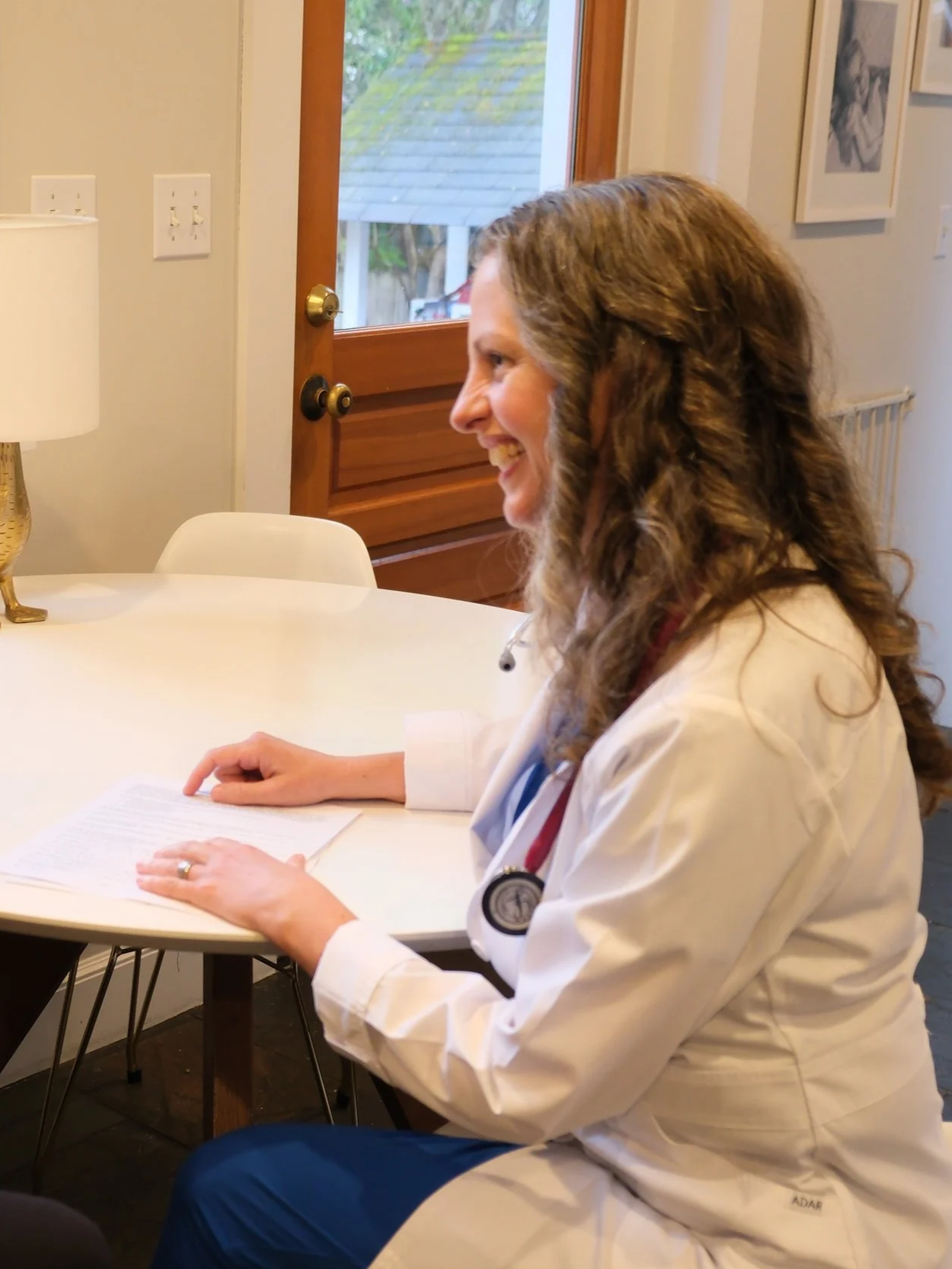
Consultations are a conversation
1. Write It Down (and Share It Early)
Before you walk through the door, write a clear list of your top questions or concerns.
The Pro-Tip: Bring two copies. Give one copy to the medical assistant or nurse who checks you in, and ask them to hand it to the specialist before they enter the room. This gives the clinician a quick roadmap of where your head is at before they even start talking.
2. Limit the Scope (But Connect the Dots)
Specialists are trained to look at the body through a very specific lens. If you bring up a symptom outside their field, they may quickly dismiss it. This gets tricky if you have multiple symptoms across different body systems that you suspect are connected.
The Trick: Provide a full list of your symptoms, but preface it by saying: “These may not all be related, but I wanted to share them in case you see a pattern here that I’m not aware of.” This respects their boundaries while inviting them to look at the bigger picture.
3. Reframe Your "Research"
You know your body best, and thanks to the internet, patients have access to incredible information. However, phrasing matters. Telling a specialist, "I did some research..." or "I saw on social media..." can accidentally trigger defensiveness. To a clinician who spent a decade doing academic research, it can hit a nerve—and once their guard is up, they don't listen as well.
Instead, try:"I’ve been reading up on my symptoms to better understand what’s going on, and I wanted to ask your opinion on..." This honors your knowledge without triggering their egos.
4. Manage the Clock
It is entirely appropriate to ask the front desk or the nurse: "How much time will the provider have with me in the room today?" Knowing the timeframe helps you pace yourself, and it subtly lets the staff know you respect their schedule. If time runs short, be willing to prioritize your top two questions and schedule a follow-up for the rest.
5. Know the Next Steps Before You Leave
Rarely does a specialist solve a complex puzzle on day one. Manage your expectations by getting clarity on the roadmap. Before you walk out, ask:
What are the exact expectations for follow-up?
If you are ordering tests, do I need to come back into the office to review the results, or will someone call me?
When should I schedule my next appointment?
The Bottom Line: Your Comfort Matters
All of this advice is meant to help you collaborate effectively. However, let’s be real: some providers are egotistical, dismissive, or biased. If you walk out of an appointment feeling unsafe, unheard, or disrespected, please let your referring primary care provider know.
We choose who we refer our patients to. We want you to feel comfortable, respected, and part of a team. If a specialist isn't a good partner in your care, we need to know so we can help you find someone who is.
📆 Schedule your complimentary Meet and Greet: to explore the Direct Patient Care model and discover what meaningful progress looks like for your unique life.
🎥 Subscribe to our YouTube channel: for health tips you can apply to your life right now.